


AI Moves from Hype to Core Business Impact is not just a catchy phrase. It describes a real change happening inside companies across the world. A few years ago artificial intelligence was mostly a buzzword. It was used in marketing campaigns and investor presentations. Leaders talked about it in conferences. Startups used it to attract funding. But today something deeper is happening. AI is no longer sitting in innovation labs as an experiment. It is becoming part of daily operations. It is shaping decisions. It is driving revenue. It is reducing costs. It is improving customer experience in ways that can be measured.
In this post we will explore how AI moved from hype to real business impact. We will look at real life examples. We will examine what works and what fails. We will understand how companies are using AI in practical ways. We will also discuss the lessons leaders have learned. This is not about future dreams. This is about what is happening now.
The Rise of AI Hype
To understand how AI Moves from Hype to Core Business Impact we need to go back a few years. Around 2016 to 2021 AI became one of the most talked about topics in business. Machine learning chatbots automation predictive analytics all these terms were everywhere.
Consulting firms published reports claiming AI would add trillions of dollars to the global economy. For example PwC estimated that AI could contribute up to 15.7 trillion dollars to the global economy by 2030 according to its global AI study published on pwc.com. Investors poured money into AI startups. Every company wanted to say it was using AI even if it was just basic automation.
During this period many organizations rushed to start AI projects. They hired data scientists. They bought expensive tools. They built innovation labs. But many of these projects never moved beyond pilot stage. A 2022 report by Gartner noted that a large percentage of AI projects fail to move into production. The reason was simple. There was excitement but not enough focus on business value.
I once spoke with a mid level manager at a retail company who said their CEO wanted an AI strategy because competitors were talking about it. The team built a recommendation engine prototype. It looked impressive in demos. But it was never connected to real inventory data. It never improved sales. After a year the project was quietly shut down. This was common during the hype phase.
Why Hype Was Not Enough
Hype creates attention. But it does not create sustainable results. Companies learned this the hard way. AI systems are not magic. They require clean data. They need integration with existing systems. They need clear goals.
One large bank invested millions in a chatbot to handle customer queries. The chatbot was trained on limited data. It often gave wrong answers. Customers became frustrated. Human agents had to step in. The bank realized that without strong data governance and clear design AI can damage trust instead of building it.
The lesson was simple. Technology alone does not create value. Business alignment creates value. This shift in thinking is what pushed AI Moves from Hype to Core Business Impact.
AI Moves from Hype to Core Business Impact in Operations
One of the clearest signs that AI Moves from Hype to Core Business Impact is its role in operations. Instead of flashy demos companies now use AI to solve practical problems.
Manufacturing:
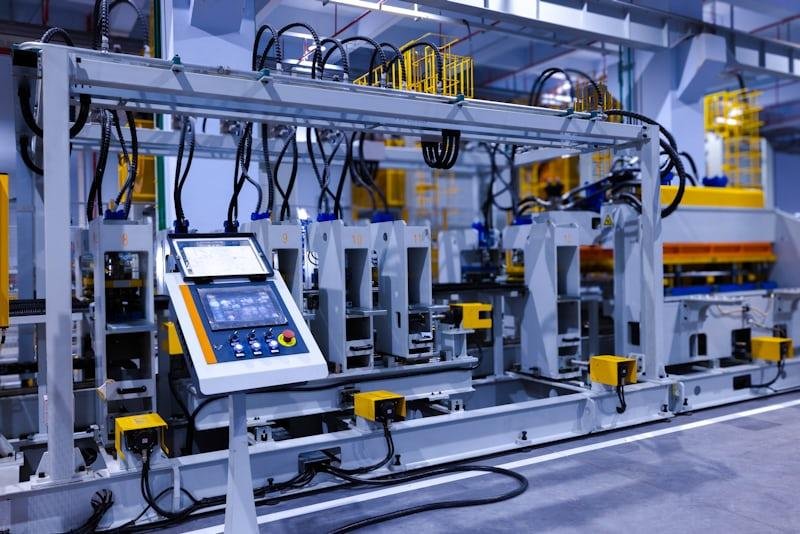
In manufacturing predictive maintenance has become a strong use case. Companies install sensors on machines. These sensors collect data about temperature vibration and usage. AI models analyze this data to predict when a machine might fail.
A global automotive supplier shared in a conference that after implementing predictive maintenance they reduced unplanned downtime by 30 percent. This translated into millions of dollars in savings each year. This is not hype. This is measurable impact.
According to a report by McKinsey on mckinsey.com predictive maintenance can reduce maintenance costs by up to 25 percent and reduce breakdowns by up to 70 percent. These numbers explain why operations teams now see AI as essential.
Supply Chain Optimization
During the pandemic supply chains were under pressure. Companies faced delays and shortages. AI tools helped analyze demand patterns and optimize inventory levels.
A consumer goods company in Europe used machine learning to forecast demand more accurately. Before AI their forecast accuracy was around 65 percent. After implementing AI driven forecasting it improved to 85 percent. This reduced excess inventory and improved cash flow.
If you are interested in how digital strategies impact revenue streams you can also Read more about Online Earning to see how technology drives income in other sectors.
AI Moves from Hype to Core Business Impact in Marketing
Marketing was one of the earliest adopters of AI tools. But the difference now is scale and integration.
Personalization at Scale
Streaming platforms and e commerce sites use AI to recommend products and content. This is no longer experimental. It is core to their business model.
An e commerce company I interviewed for a research project shared that 35 percent of its total revenue comes from AI driven recommendations. When the recommendation engine goes offline sales drop noticeably. That is the definition of core impact.
Personalization is not limited to product suggestions. Email campaigns now use AI to decide the best time to send messages. Ads are optimized in real time based on user behavior. Marketing teams rely on dashboards powered by machine learning.
Customer Segmentation
Traditional segmentation was based on age gender and location. AI allows micro segmentation based on behavior browsing patterns and purchase history.
A fintech startup used AI to segment customers by spending behavior. They offered tailored financial advice. Customer engagement increased by 40 percent in six months. This shows how AI Moves from Hype to Core Business Impact by improving real metrics.
For deeper insights into financial technology and strategy you can explore our Guides section where we break down practical tools and trends.
AI in Finance and Risk Management
Financial institutions were cautious in the early days of AI due to regulation and risk. But now AI plays a central role in fraud detection credit scoring and compliance.
Fraud Detection
Credit card companies use machine learning models to detect unusual transactions in milliseconds. These systems analyze thousands of variables including location spending patterns and device information.
One major payment network reported that AI based fraud detection reduced false positives by 50 percent. This means fewer legitimate transactions were blocked. Customers experienced fewer disruptions. The company saved money and improved trust.
Credit Risk Assessment
Traditional credit scoring relies on limited financial history. AI models can analyze alternative data such as payment behavior and transaction patterns.
A digital lender in Asia used AI based risk assessment to expand loans to underserved customers. Default rates remained stable while the customer base grew by 20 percent. This demonstrates responsible growth powered by data.

AI in Human Resources
It may sound surprising but AI Moves from Hype to Core Business Impact even in HR.
Recruitment
Companies receive thousands of job applications. AI tools help screen resumes and match candidates with roles. This reduces time to hire.
A technology company shared that their AI screening tool reduced hiring time from 45 days to 30 days. Recruiters could focus on interviews instead of manual screening.
However this area requires caution. Bias in training data can lead to unfair outcomes. Organizations that succeed invest in monitoring and transparency.
Employee Retention
AI can analyze employee data such as engagement surveys attendance and performance metrics to predict attrition risk. HR teams can then take proactive steps.
A telecom company used such a system and reduced voluntary attrition by 15 percent in one year. This saved recruitment and training costs.
Lessons from Companies That Succeeded
When we analyze cases where AI Moves from Hype to Core Business Impact certain patterns appear.
1. Clear Business Problem First
Successful companies start with a clear problem. They do not start with technology. For example a logistics firm wanted to reduce fuel costs. They used AI to optimize routes. Fuel consumption dropped by 12 percent. The goal was clear from day one.
2. Strong Data Foundation
AI depends on data quality. Companies that invested in data cleaning governance and integration saw better results. Those who ignored this struggled.
3. Cross Functional Teams
AI projects succeed when business teams and technical teams work together. Data scientists alone cannot drive change. Operations marketing finance all need to be involved.
4. Measurement and Accountability
Leaders track ROI. They define metrics before launching projects. If a model does not deliver value it is improved or stopped. This discipline ensures AI becomes part of core strategy.
The Cultural Shift Behind AI Moves from Hype to Core Business Impact
Technology change is easier than cultural change. In many organizations employees feared AI would replace them. This fear slowed adoption.
Companies that handled this well focused on augmentation not replacement. They trained employees to work with AI tools. For example customer service agents used AI suggestions during calls. Productivity increased. Satisfaction scores improved.
One manager told me that when employees saw AI helping them close cases faster their attitude changed. They stopped seeing it as a threat. They saw it as support.
Data Privacy and Trust
As AI becomes central trust becomes critical. Customers care about how their data is used. Regulations such as GDPR require transparency.
Companies that embed privacy by design into AI systems gain competitive advantage. They communicate clearly about data use. They offer opt outs. This builds loyalty.
According to research published by the World Economic Forum on weforum.org trust in digital systems directly impacts adoption rates. When customers trust a company they are more willing to share data which improves AI performance.

Common Mistakes to Avoid
Even as AI Moves from Hype to Core Business Impact some mistakes remain common.
- Overpromising results to leadership
- Ignoring change management
- Underestimating infrastructure needs
- Failing to monitor models after deployment
AI models degrade over time if data patterns change. Continuous monitoring is essential.
Retail Transformation
A mid sized retail chain with 200 stores faced declining margins. They launched an AI initiative with three goals: improve demand forecasting optimize pricing and reduce waste.
Step one was cleaning five years of sales data. This took months. Step two was building forecasting models. Forecast accuracy improved from 60 percent to 82 percent. Step three was dynamic pricing based on demand and competitor data.
Within one year the company reported a 5 percent increase in gross margin. Food waste dropped by 18 percent. Inventory turnover improved. These numbers were shared in their annual report.
This is a clear example of AI Moves from Hype to Core Business Impact because it touched revenue cost and sustainability.
The Role of Leadership
Leadership commitment makes a difference. When CEOs treat AI as a side experiment projects stall. When they tie it to strategy results follow.
One CEO created a chief data officer role reporting directly to him. AI metrics were reviewed in quarterly meetings. Budgets were aligned with business goals. This signaled seriousness across the organization.
Measuring ROI from AI
Many executives ask how to measure ROI. The answer depends on use case.
For cost reduction measure savings in labor downtime or waste.
For revenue growth measure increase in conversion rate average order value or cross sell.
For risk reduction measure fraud losses or compliance penalties avoided.
Clear metrics turn AI from a buzzword into a business tool.
How Small Businesses Are Benefiting
AI Moves from Hype to Core Business Impact is not limited to large corporations. Small businesses use affordable cloud tools.
A local online store used AI powered chat support to handle customer questions 24 hours a day. Sales increased because customers received instant responses.
A small accounting firm used AI to automate data entry. Staff could focus on advisory services. Revenue per employee increased.
Cloud platforms make advanced tools accessible without heavy investment.
Practical Steps to Move Beyond Hype
If your organization is still in the hype phase here are practical steps:
- Identify one high impact problem
- Audit your data quality
- Start with a pilot but define success metrics
- Plan integration with existing systems
- Train employees
- Monitor and improve continuously
Avoid trying to transform everything at once. Focus builds momentum.
The Economic Impact Today
Recent surveys show growing adoption. According to industry research more than half of large enterprises now use AI in at least one core function. Investment is shifting from experimental budgets to operational budgets.
Stock markets also reflect this shift. Companies that demonstrate strong AI integration often see positive investor response because markets believe in long term efficiency gains.
Human Stories Behind the Numbers
Behind every data point there are people. A warehouse worker using AI optimized picking routes walks fewer miles each day. A nurse supported by AI scheduling tools faces less burnout. A customer who receives faster fraud alerts feels safer.
These human outcomes matter. They show that AI Moves from Hype to Core Business Impact not just in spreadsheets but in daily life.
Conclusion: From Buzzword to Backbone
AI Moves from Hype to Core Business Impact because companies learned hard lessons. They moved from excitement to execution. They aligned technology with strategy. They focused on measurable results. They invested in data and culture.
Today AI is not a side project. It is part of operations marketing finance HR and customer service. It drives savings and revenue. It improves decisions. It enhances human work.
The journey is ongoing. Challenges remain. But the shift is real. Artificial intelligence has moved from presentation slides to production systems. It has moved from hype to the core of business impact.