




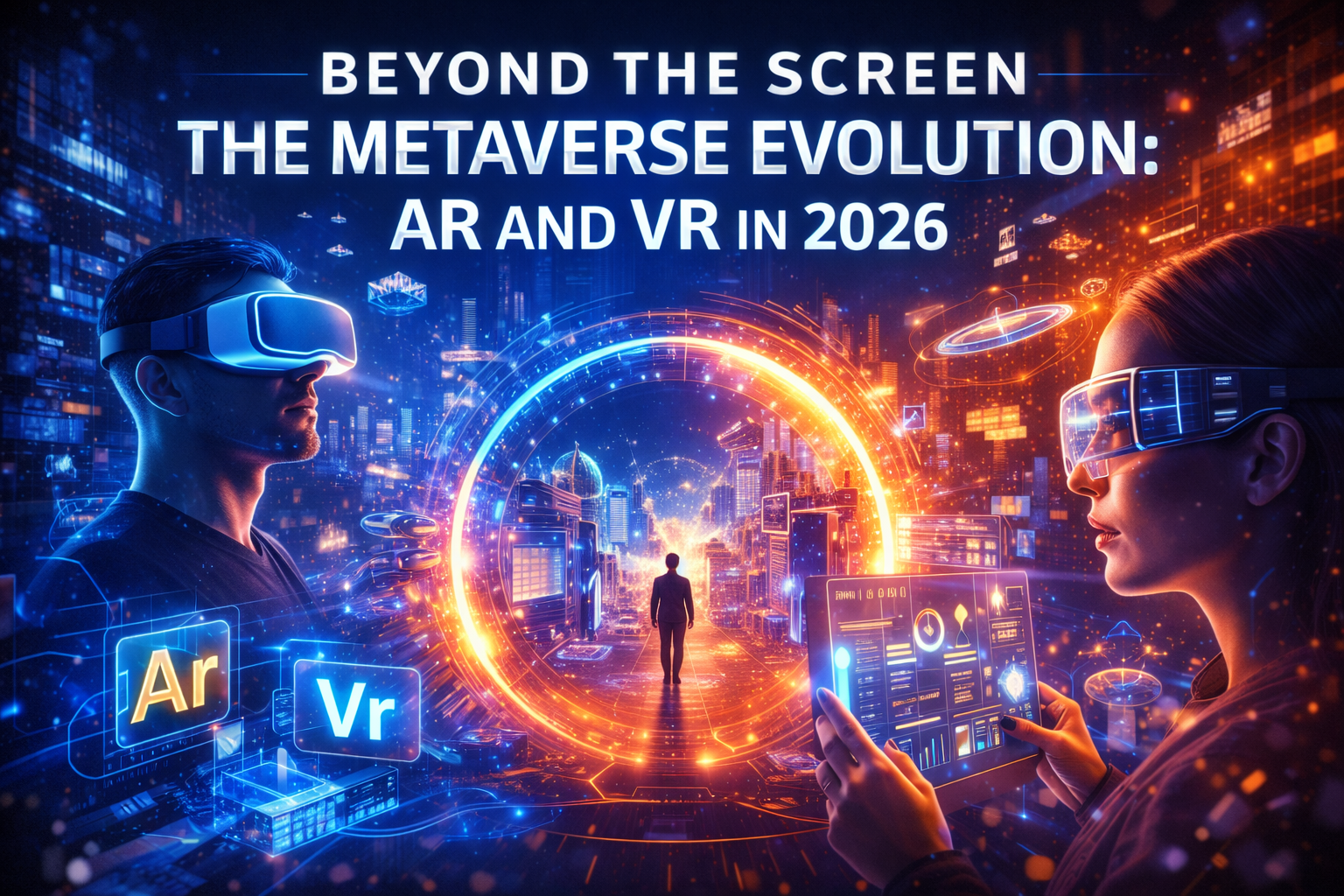
The Metaverse Evolution: AR and VR in 2026 is no longer a distant idea discussed only in tech conferences. It is something people are experiencing in classrooms offices hospitals retail stores and even at home. Just a few years ago many believed the metaverse was mostly about gaming. Today it has moved into serious use cases that affect how we work learn shop and connect with others.
In 2026 augmented reality AR and virtual reality VR are not experimental gadgets sitting in labs. They are tools that businesses rely on and consumers understand. The change did not happen overnight. It came from steady improvements in hardware faster internet better graphics processing and real world demand.
Let us explore how this shift happened and what it truly means in practical terms.
The Metaverse Evolution: AR and VR in 2026 Is Driven by Better Hardware
One of the biggest reasons behind the growth of immersive technology is better hardware. Headsets are lighter more comfortable and more affordable than before. In 2023 many VR headsets were bulky and caused fatigue after long use. In 2026 most leading devices weigh less than a typical tablet and offer clear displays with high resolution.
According to IDC reports global shipments of AR and VR devices have grown steadily since 2024 with enterprise adoption leading the way. Companies are buying devices not for fun but for training remote collaboration and product design.
I spoke with a product designer who works at a manufacturing firm in Germany. He shared that his team now uses VR rooms to review 3D models of machines before production. He said they used to spend weeks building physical prototypes. Now they spot design errors in hours inside a shared virtual space. This single change reduced their production cost by nearly 18 percent last year.
The Metaverse Evolution: AR and VR in 2026 is practical because hardware supports long sessions and real collaboration without technical glitches.
AR in Everyday Life: The Quiet Revolution
Virtual reality creates fully digital spaces. Augmented reality adds digital layers to the real world. In 2026 AR is often less visible yet more widely used.
Retail is one of the strongest examples. Many clothing brands now offer AR fitting rooms through mobile apps. Instead of guessing your size you can see how a jacket fits on your body using your phone camera. According to Shopify internal data shared in 2025 AR product previews increased conversion rates by up to 30 percent in some categories.
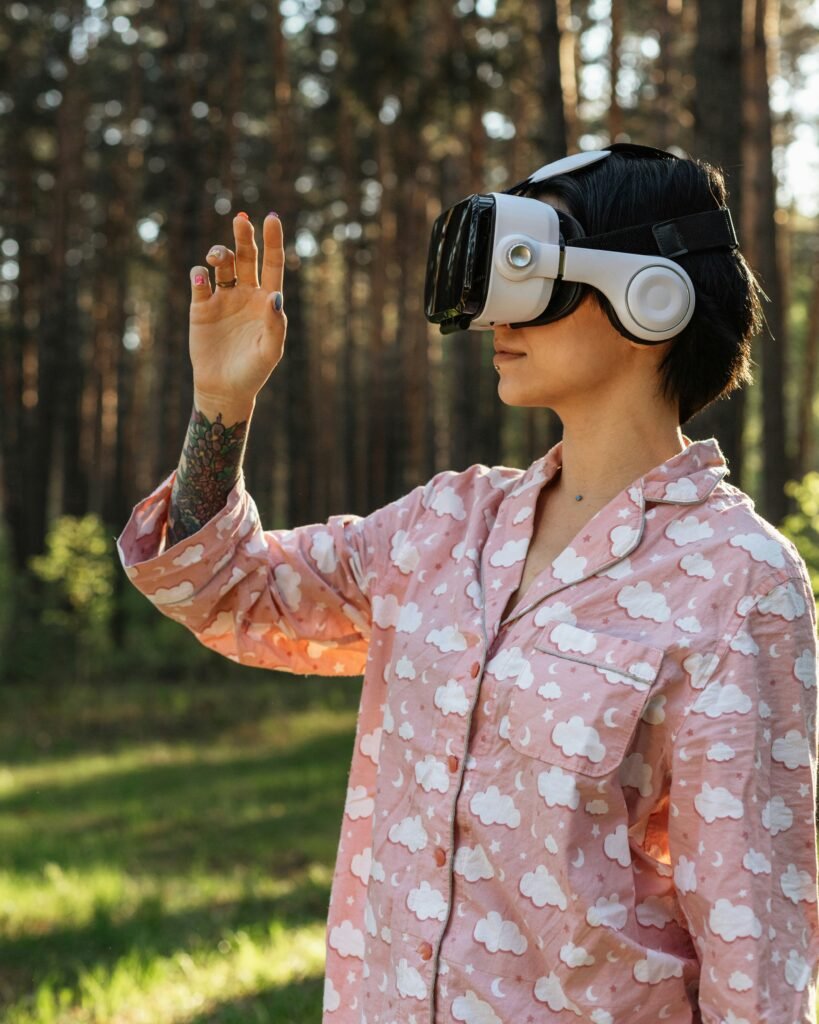
Education is another area where AR has quietly changed learning. Medical students use AR glasses to view 3D anatomy models layered over physical mannequins. This makes complex topics easier to understand. A professor from a UK medical school shared in a webinar that student retention rates improved after AR tools were introduced into practical sessions.
The Metaverse Evolution: AR and VR in 2026 shows that AR works best when it blends into normal life rather than replacing it.
Virtual Workspaces and Remote Collaboration
Remote work expanded rapidly after 2020. By 2026 companies are looking for ways to make remote work more human. Video calls are useful but limited. VR workspaces offer a deeper sense of presence.
Large tech companies have built virtual campuses where employees meet as avatars. These spaces are not cartoon worlds. They are designed to feel like real offices with whiteboards meeting rooms and presentation areas.
In one case study from a US based consulting firm employees reported feeling more engaged during VR brainstorming sessions compared to traditional video meetings. Productivity surveys showed a 12 percent increase in idea generation sessions when teams used immersive environments.
The Metaverse Evolution: AR and VR in 2026 has proven that presence matters. When people feel like they are in the same room collaboration improves.
For readers interested in how immersive tech affects business strategy and investment trends you can read more about Finance.
Healthcare and Therapy in Immersive Spaces
Healthcare is one of the most meaningful areas where immersive technology is making a difference. VR is used for pain management physical therapy and mental health treatment.
Cedars Sinai hospital in Los Angeles has been using VR programs to help patients manage chronic pain. Patients wear headsets during treatment sessions which distract the brain and reduce pain perception. Clinical reports have shown measurable drops in reported pain levels.
Mental health professionals are also using VR exposure therapy for phobias and anxiety disorders. Patients can safely experience simulated environments such as flying or public speaking while guided by therapists.
The Metaverse Evolution: AR and VR in 2026 is not just about entertainment. It is helping people heal and recover in ways that were not possible before.
For verified research updates you can visit trusted sources like World Health Organization and McKinsey & Company which regularly publish insights on digital health and emerging technologies.
Gaming Is Still Important but More Mature
Gaming remains a core part of the metaverse ecosystem. However in 2026 the focus has shifted from novelty to depth. Players expect stable ecosystems cross platform access and real digital ownership.
Multiplayer VR games now support large scale social interactions where concerts events and tournaments take place. One well known music artist held a VR concert in 2025 that attracted over two million virtual attendees across platforms. The event generated revenue from digital merchandise and ticket sales showing that immersive experiences can compete with physical events.
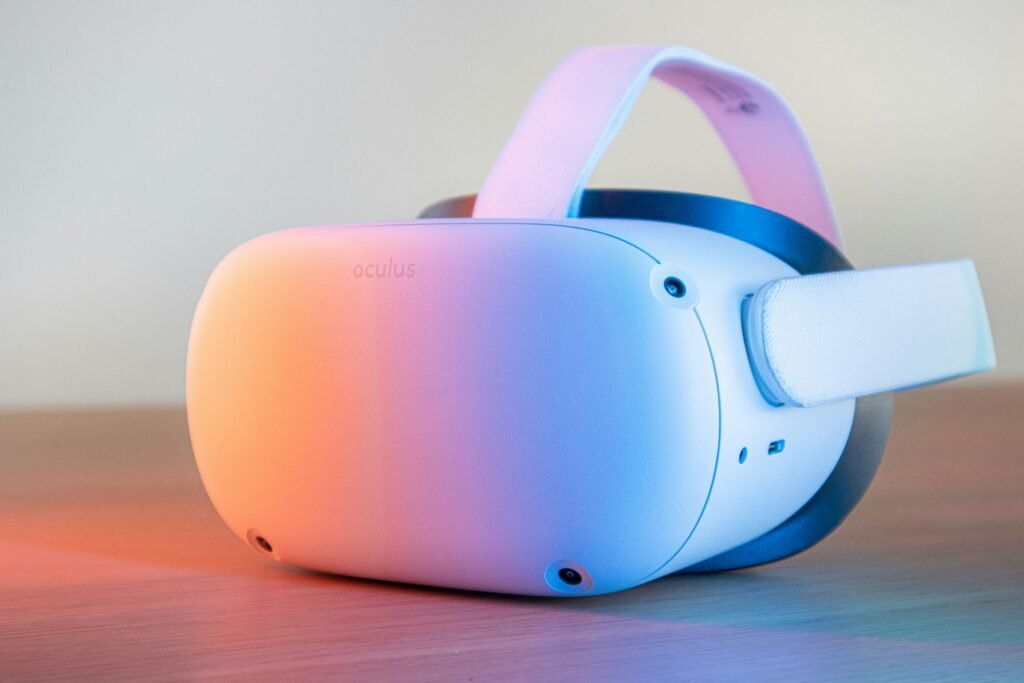
The Metaverse Evolution: AR and VR in 2026 demonstrates that gaming is no longer isolated. It connects with music fashion and social media in meaningful ways.
If you enjoy learning about digital trends and step by step technology breakdowns you can explore more guides.
Education and Skill Development
One of the strongest arguments for immersive tech is skill development. VR simulations allow learners to practice in safe environments. Pilots have used simulators for decades. Now similar methods are applied to mechanics surgeons and factory workers.
In 2026 many technical schools include VR modules as part of certification programs. A welding institute in Canada reported that students who trained with VR simulations before hands on practice made 40 percent fewer beginner errors. This saved material cost and reduced safety risks.
The Metaverse Evolution: AR and VR in 2026 highlights how immersive learning improves both confidence and competence.
Economic Impact and Market Growth
The global AR and VR market has grown steadily over the last three years. Analysts estimate that immersive technology spending crossed hundreds of billions of dollars in combined hardware software and services.
Enterprise adoption accounts for a large share of revenue. Companies invest in immersive platforms because they see measurable returns. Reduced travel cost faster product development improved training outcomes and higher customer engagement all contribute to business value.
Investors are also paying attention. While early hype cycles caused volatility the market in 2026 looks more stable. Companies that survived the initial wave are those with clear business models and practical solutions.
The Metaverse Evolution: AR and VR in 2026 is less about speculation and more about measurable performance indicators.
Challenges That Still Exist
Despite progress challenges remain. Data privacy is a major concern. AR glasses collect visual data from real environments. VR platforms gather behavioral insights. Companies must follow strict privacy standards and transparent policies.
Hardware cost has decreased but is still a barrier in lower income regions. Internet connectivity also plays a role. High quality immersive experiences require strong broadband networks.
Another issue is digital well being. Spending long hours in virtual spaces can cause fatigue. Designers are now focusing on balanced usage patterns and built in break reminders.
The Metaverse Evolution: AR and VR in 2026 is advanced but not perfect. Responsible development remains essential.
A Personal Reflection on Immersive Technology
Last year I attended a virtual industry summit inside a VR platform. At first it felt unusual to navigate as an avatar. After a few minutes the experience became natural. I had real conversations with participants from three continents. We exchanged ideas and even visited digital booths showcasing products.
What surprised me most was the emotional connection. Even though we were not physically present the shared space created a sense of togetherness. That moment showed me that immersive technology is not just about graphics. It is about human connection.
The Metaverse Evolution: AR and VR in 2026 is successful because it focuses more on people and less on hype.
Where Things Stand Today
As of 2026 immersive technology is integrated into daily workflows education systems healthcare services and entertainment industries. The early exaggerated promises have settled into realistic expectations.
Companies measure return on investment before adopting new platforms. Schools evaluate learning outcomes. Hospitals review clinical data. This evidence based approach has strengthened the credibility of the ecosystem.
The Metaverse Evolution: AR and VR in 2026 represents a stage of maturity. It is not a fantasy world replacing reality. It is a digital layer that enhances reality when used wisely.
In simple terms AR and VR are tools. Like any tool their value depends on how we use them. In 2026 we are finally seeing balanced adoption driven by need rather than trend. Businesses are solving real problems. Educators are improving understanding. Healthcare providers are supporting patients. Gamers are enjoying deeper social experiences.
The screen is no longer the final boundary. We have moved beyond it into spaces that feel interactive alive and collaborative. That is the true story of The Metaverse Evolution: AR and VR in 2026.